Gauntlet Gallery
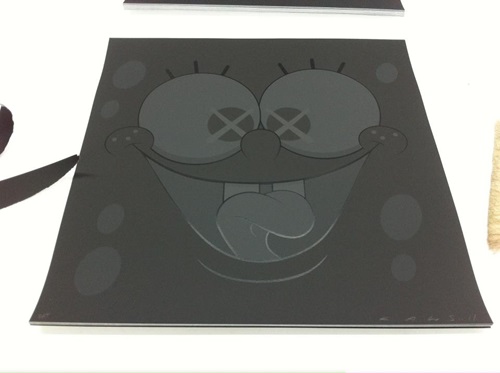
What is KAWS’s piece called “Kawsbob Yellow (First edition)”?
Summary
Kawsbob Yellow (First edition) is part of KAWS's reinterpretation of SpongeBob SquarePants, recasting the iconic Nickelodeon character with his signature crossed-out X eyes and smoothed cartoon treatment. This yellow colorway most directly evokes SpongeBob's original hue, and its first-edition designation makes it a focal point of the Kawsbob set, which also includes red and black versions. The work fuses the cheerful absurdity of the cartoon with KAWS's uncanny appropriation aesthetic, rendered as a bold, flat graphic that collectors pursue alongside the other colorways to complete the trio.
Why It Matters
Kawsbob captures KAWS's core method of appropriating a globally recognized cartoon and remaking it in his own visual language. The yellow first edition holds particular significance within the set, as the color closest to SpongeBob's familiar appearance and as the foundational release of the group. Replacing the character's expressive eyes with the crossed-out KAWS motif transforms beloved familiarity into something uncanny and knowing, embedding his recurring themes of absence and mortality. The colorway strategy, spanning yellow, red, and black, reflects the scarcity-driven collectibility KAWS helped import from the designer-toy market into the art world. For collectors, a first edition often carries added desirability. Kawsbob demonstrates why KAWS became central to the appropriation-driven, toy-influenced wing of contemporary art, where pop nostalgia, limited variation, and a recognizable signature converge to drive demand, while continuing his long interrogation of authorship and mass-media imagery.
Collector Perspective
Kawsbob Yellow appeals strongly to completists seeking the foundational first edition alongside the red and black colorways, plus SpongeBob and cartoon-crossover enthusiasts. The yellow palette most clearly references the original character, giving it broad recognizability. Buyers value the first-edition status and the rewarding nature of set-based collecting. Within a KAWS collection it serves as a charismatic, character-driven highlight and often the anchor of the Kawsbob grouping. Collectors should confirm edition details, the first-edition designation, authenticity, and condition before purchase.
Historical Context
The Kawsbob works belong to KAWS's enduring practice of appropriating cartoon characters, a thread running from his subway-era ad interventions through his designer-toy period into his fine-art career. By recasting SpongeBob, KAWS applied his established method to a defining cartoon of a new generation. The first-edition yellow release and subsequent colorways reflect the collector dynamics KAWS helped popularize, blending art-world ambition with the scarcity mechanics of the designer-toy market.
FAQ
What character is Kawsbob based on?
It is KAWS's reinterpretation of SpongeBob SquarePants, recast with his signature crossed-out X eyes.
Why is the yellow version significant?
It is the first edition and the colorway closest to SpongeBob's original yellow, making it a focal point of the set.
Should I collect all three colorways?
Many collectors pursue the yellow, red, and black versions together, which enhances the thematic and display appeal.
What does first edition mean here?
It indicates the foundational release of the Kawsbob set; buyers should verify the designation, edition, and authenticity with the seller.
Related Works

About the Artist
KAWS is the working name of Brian Donnelly (b. 1974, Jersey City). He began in the 1990s subverting bus-shelter and phone-booth advertisements, then built a singular visual language around the Companion — a Mickey-Mouse-descended figure with crossed-out X eyes — alongside Chum, BFF, Accomplice and a cast of appropriated cartoon characters. His practice spans paintings, screenprints, vinyl and bronze sculpture, and the monumental KAWS:Holiday installations shown in cities worldwide. His work is held by the Brooklyn Museum, the Modern Art Museum of Fort Worth, and major private collections, and he is among the most collected artists of his generation.